Many people are surprised to learn that two pieces of gold jewellery that look similar can have completely different values. When it comes to selling gold jewellery, there is far more involved than simply placing an item on a scale.
At Gold & Finance, one of the most common questions we receive is: “How is my jewellery actually valued?”
The answer depends on several important factors, including the purity of the gold, the weight of the item, current market conditions, craftsmanship, and in some cases, the value of diamonds or branded design elements.
Understanding these factors can help you make more informed decisions when selling your jewellery.
Gold Purity Matters More Than Appearance
One of the biggest influences on value is the karat (or fineness) of the gold. Gold jewellery is rarely made from pure gold alone because pure gold is naturally soft. It is usually mixed with other metals to improve durability.
The most common types include:
- 9ct Gold – 37.5% pure gold
- 14ct Gold – 58.5% pure gold
- 18ct Gold – 75% pure gold
- 22ct Gold – 91.6% pure gold
Higher purity gold generally carries a higher value because it contains more actual gold content. Two rings may look nearly identical, but if one is 9ct and the other is 18ct, their values can differ significantly.
This is why professional testing is such an important part of the valuation process.
Weight Plays an Important Role
Gold is valued partly according to its weight. During a valuation, jewellery is carefully weighed using precision scales.
In simple terms, heavier items with higher gold purity usually carry higher intrinsic value.
However, weight alone does not determine the final valuation. Other factors still need to be considered, especially when dealing with luxury jewellery, antique pieces, or designer items.
The Gold Price Changes Daily
Another major factor is the current market price of gold.
Gold prices move constantly based on international economic conditions, currency strength, inflation expectations, and global demand. This means the value of your jewellery today may differ from what it was worth even a few months ago.
When you receive a professional valuation, it is typically based on the live gold market at that specific time.
This is one of the reasons why timing can sometimes influence the value you receive when selling gold jewellery.
Diamonds and Gemstones Can Add Value
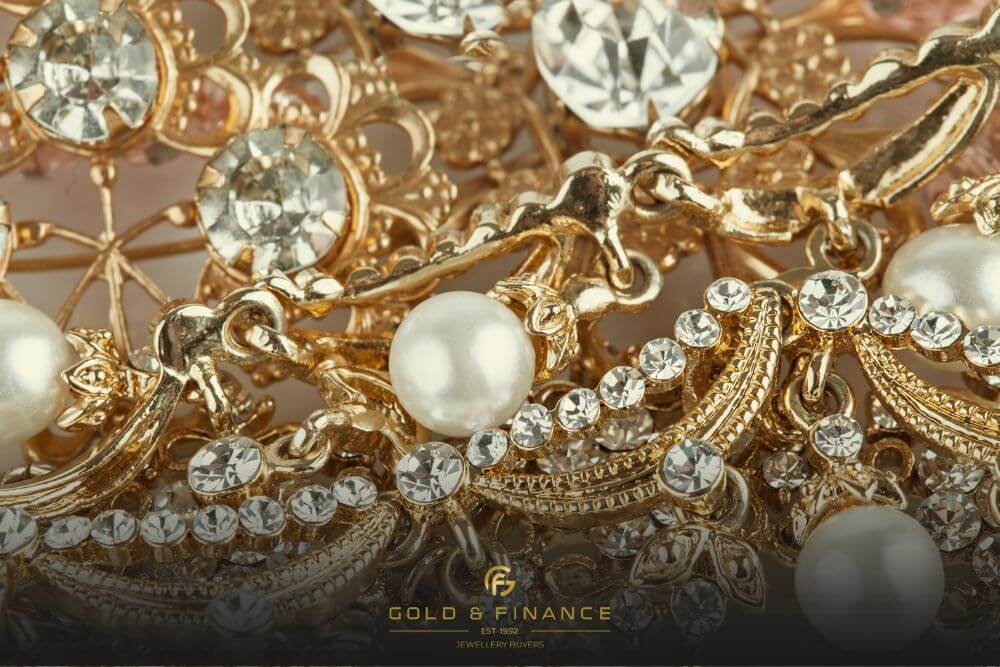
If your jewellery contains diamonds or other gemstones, these may also contribute to the overall valuation.
Diamonds are assessed according to factors such as:
- Carat weight
- Colour
- Clarity
- Cut
Certain natural gemstones, antique settings, or rare designs may also increase value depending on demand and market desirability.
In some cases, branded jewellery from internationally recognised luxury houses may carry a premium beyond the gold value alone.
Condition Is Not Always the Most Important Factor
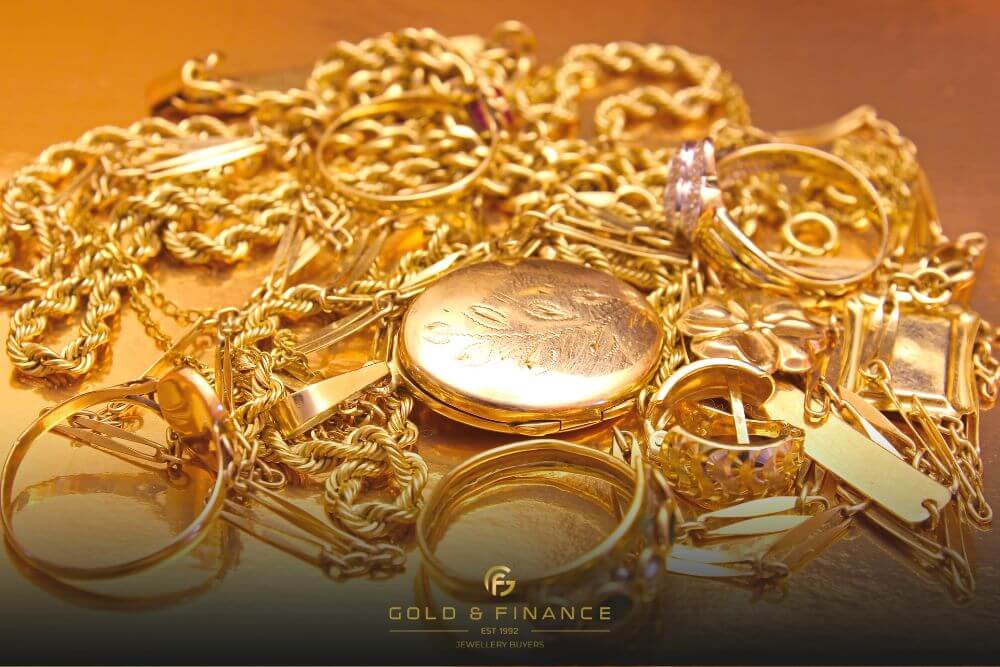
Many people assume broken or damaged jewellery has little value. In reality, gold retains intrinsic value regardless of whether a chain is tangled, a ring is scratched, or an earring is missing a backing.
While condition can influence resale desirability for certain luxury or designer pieces, the underlying precious metal still holds value.
This is why even old, unworn, or damaged jewellery can still be worth professionally assessing.
Why Transparency Matters
A professional valuation should always be clear, transparent, and conducted openly.
At Gold & Finance, valuations are performed professionally and, in your presence, allowing clients to better understand how their items are assessed and what factors influence the offer received.
Selling gold jewellery should never feel uncertain or rushed. Understanding the process helps you make confident and informed decisions about pieces that may carry both financial and sentimental value.
Whether you are selling old jewellery, inherited pieces, luxury items, or simply curious about their value, obtaining a professional assessment is always the best place to start.